You validated the idea with AI tools — great. Now real users, data and money are coming in, and the prototype starts to crack. I find what's dangerous, fix it in order of risk and keep everything your users already like.
Who it's for
- Founders with a working vibe-coded MVP and first paying users
- Teams where every AI fix breaks something else
- Products facing investor due diligence or a client security review
Problems I solve
Other users' data is reachable
Missing or permissive Row Level Security, secret keys in the browser bundle, no authorization checks on the API.
Business logic breaks under real users
Orders created twice, lost form submissions, emails sent twice, statuses that drift out of sync.
It slows down with real data
Filtering in the browser, missing indexes, one query per list row, uncached AI calls.
Nobody can change it safely
No tests, no staging, no backups you have actually restored, AI going in circles.
What you get
- A written audit in 2–3 days: risks ranked by likelihood and cost, what to keep, what to fix, what to rewrite
- Security first: rotated keys, access rules, authorization on every entry point
- Critical flows made reliable: no duplicates, no lost requests, clear statuses
- Backups, error alerts and a staging environment
- Tests on the flows that matter and CI, so you can keep shipping with AI tools
How it works
- 01
Audit
Code, database, keys, access rules and the critical flows. You get a prioritised list, not 'everything is bad'.
- 02
Stop the bleeding
Leaked keys, open data and broken core flows are fixed first — usually within the first week.
- 03
Fix the core
Data model, server-side logic, indexes and the most fragile parts, without stopping the product.
- 04
Hand over
Docs, CI and simple rules for working with AI on top of a stable foundation.
Related work
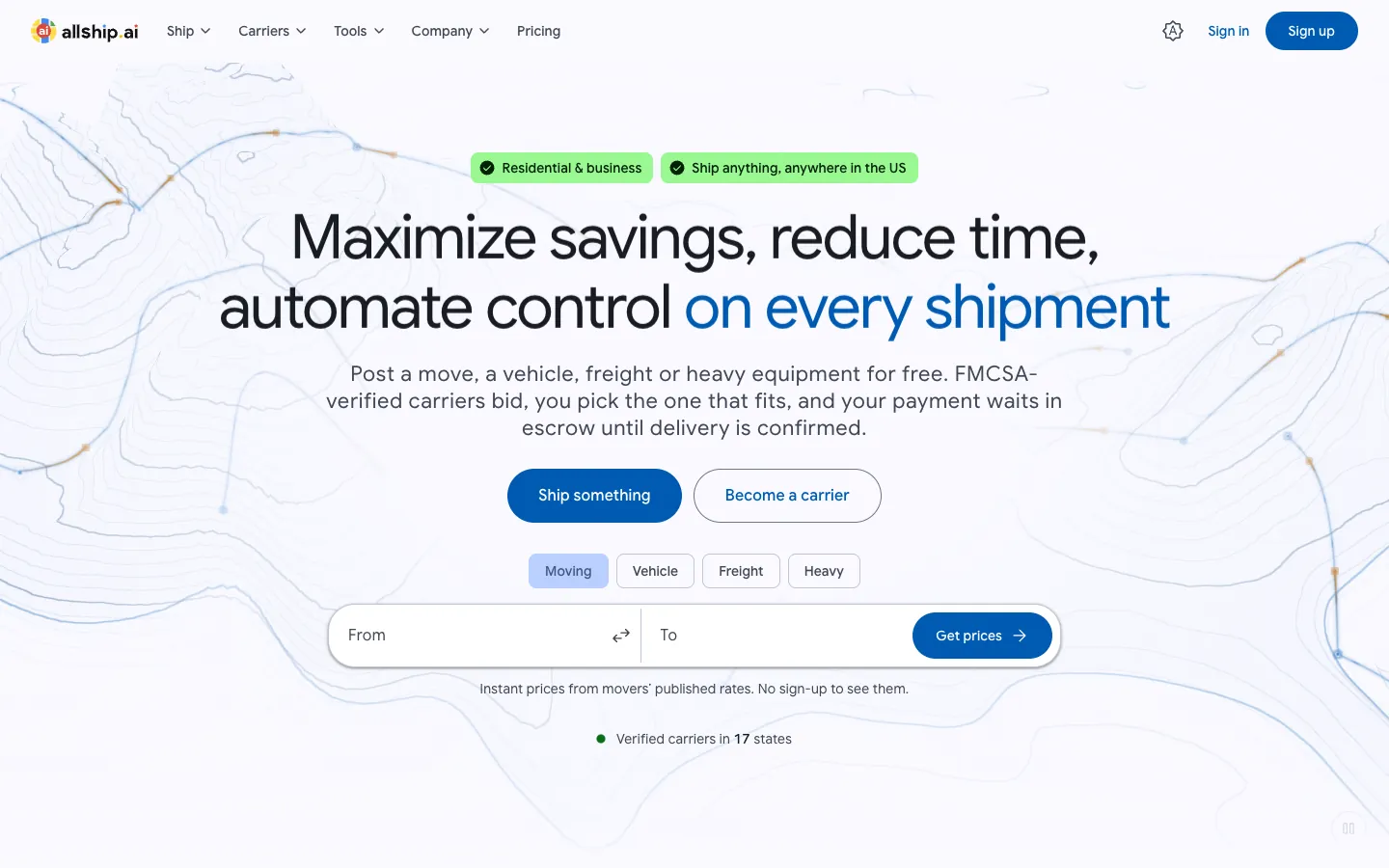
Logistics marketplace
AllShip AI marketplace
Three fragile codebases became one marketplace for shippers, carriers and drivers — with live tracking and an AI assistant.
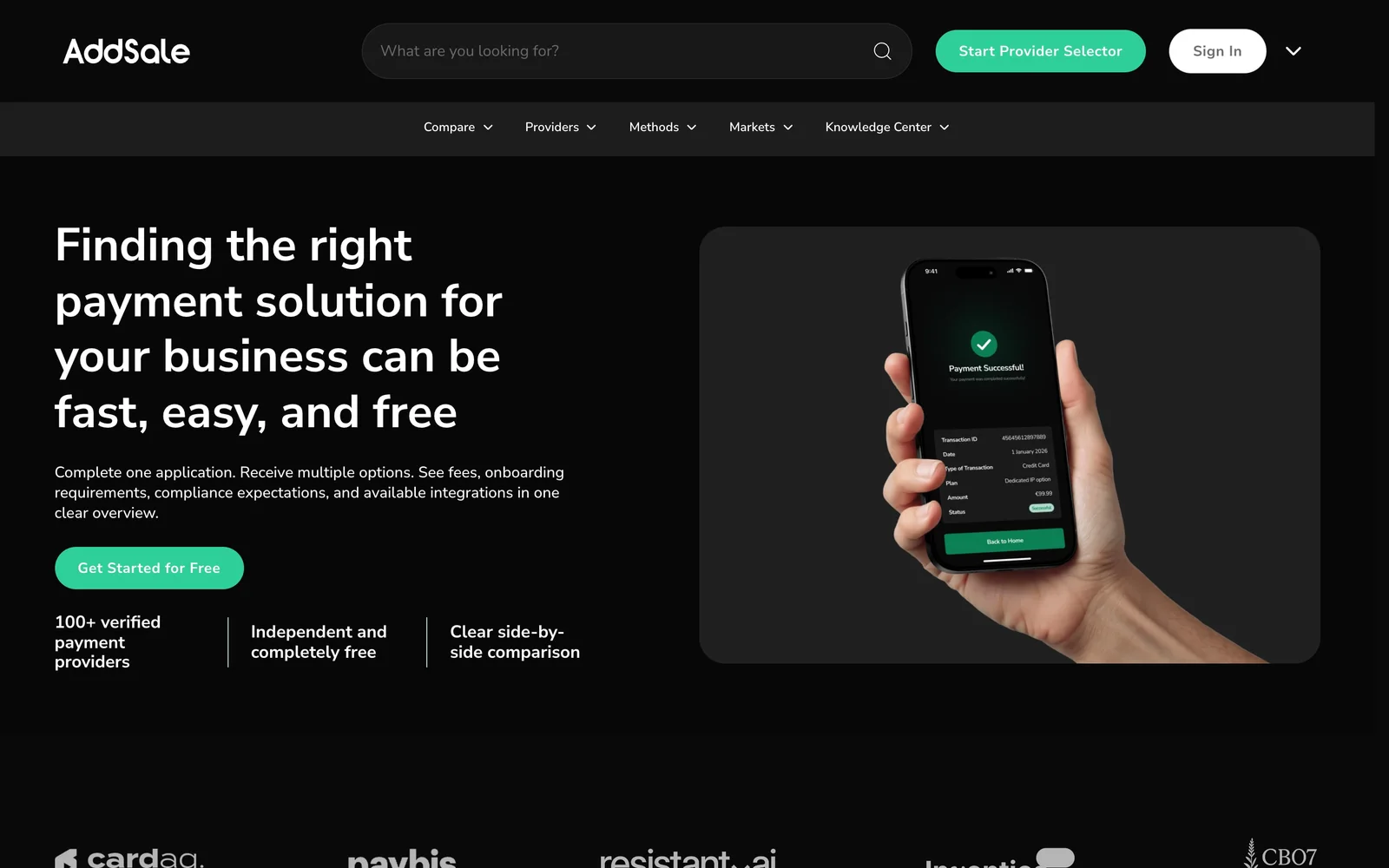
B2B marketplace · Fintech
AddSale B2B marketplace
Businesses apply once, providers receive qualified leads and work them through a seven-stage pipeline — plus 50 SEO pages in English and Latvian.
Read on the blog
Questions
Do you rewrite everything from scratch?
Rarely. Screens and flows users like usually stay; the invisible core — data, access, business logic — gets fixed or rebuilt where needed.
Which tools do you work with?
Apps generated with Lovable, Bolt, Cursor, Replit, v0 and similar, typically on React/Next.js, Supabase and PostgreSQL.
How much does it cost?
The audit is a fixed $350 and takes 3 days: a written list of risks ranked by severity and a phased estimate for the fixes. The fixes themselves are priced from that list — usually as a fixed scope, or hourly at $45.
Can I keep using AI tools afterwards?
Yes. Tests and checks catch what the AI breaks, so AI tools become faster and safer to use.