A marketplace is two products in one: each side needs its own onboarding, workspace and reasons to come back, and the matching in the middle has to be fair and fast. I design the data model first, then build both sides, the admin and the public site.
Who it's for
- Founders launching a marketplace for services, logistics, B2B or local businesses
- Platforms with several roles: customers, providers, staff, admins
- Teams rebuilding a marketplace that outgrew its first version
Problems I solve
Chicken and egg
Neither side comes without the other. The product has to be useful to the first users of each side.
Matching that nobody trusts
Fake bids, paid placements and random ratings kill a marketplace faster than missing features.
Operations in spreadsheets
Statuses, disputes and payouts handled by hand because the platform doesn't model them.
What you get
- A data model for both sides: roles, listings, offers or leads, statuses and history
- Onboarding and workspaces for each side, plus an admin console
- Matching, bidding or lead routing that is honest and explainable
- Notifications, chat, reviews and dispute handling
- Public pages that bring both sides in from search
How it works
- 01
Model the market
Who the sides are, what they exchange, what can go wrong between them.
- 02
Design the flows
Each side's journey from sign-up to a completed deal, written down before code.
- 03
Build in slices
One complete deal flow first, then the tools around it, each week on a preview link.
- 04
Launch and tune
Metrics on both sides, fixes and the next features after launch.
Related work
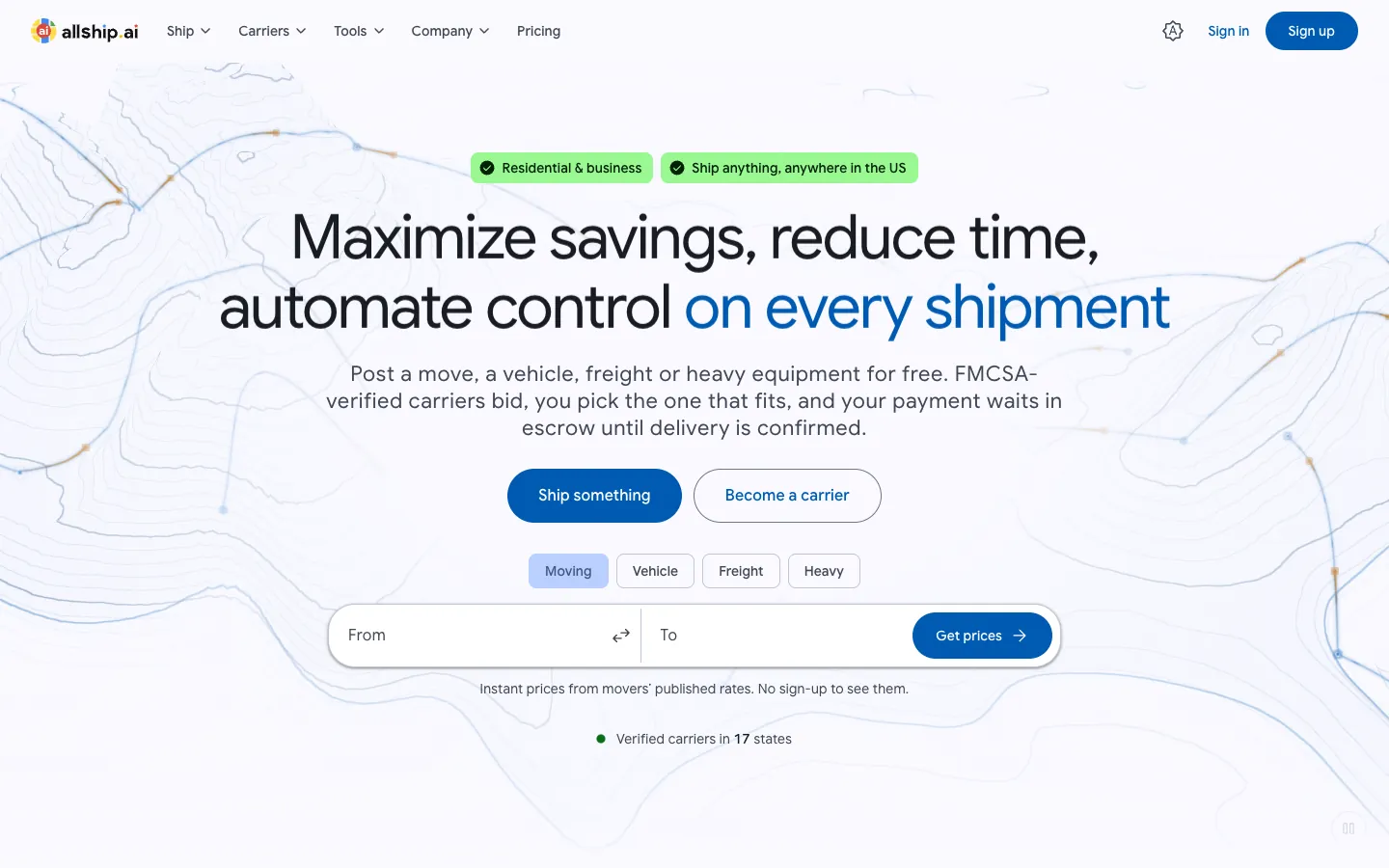
Logistics marketplace
AllShip AI marketplace
Three fragile codebases became one marketplace for shippers, carriers and drivers — with live tracking and an AI assistant.
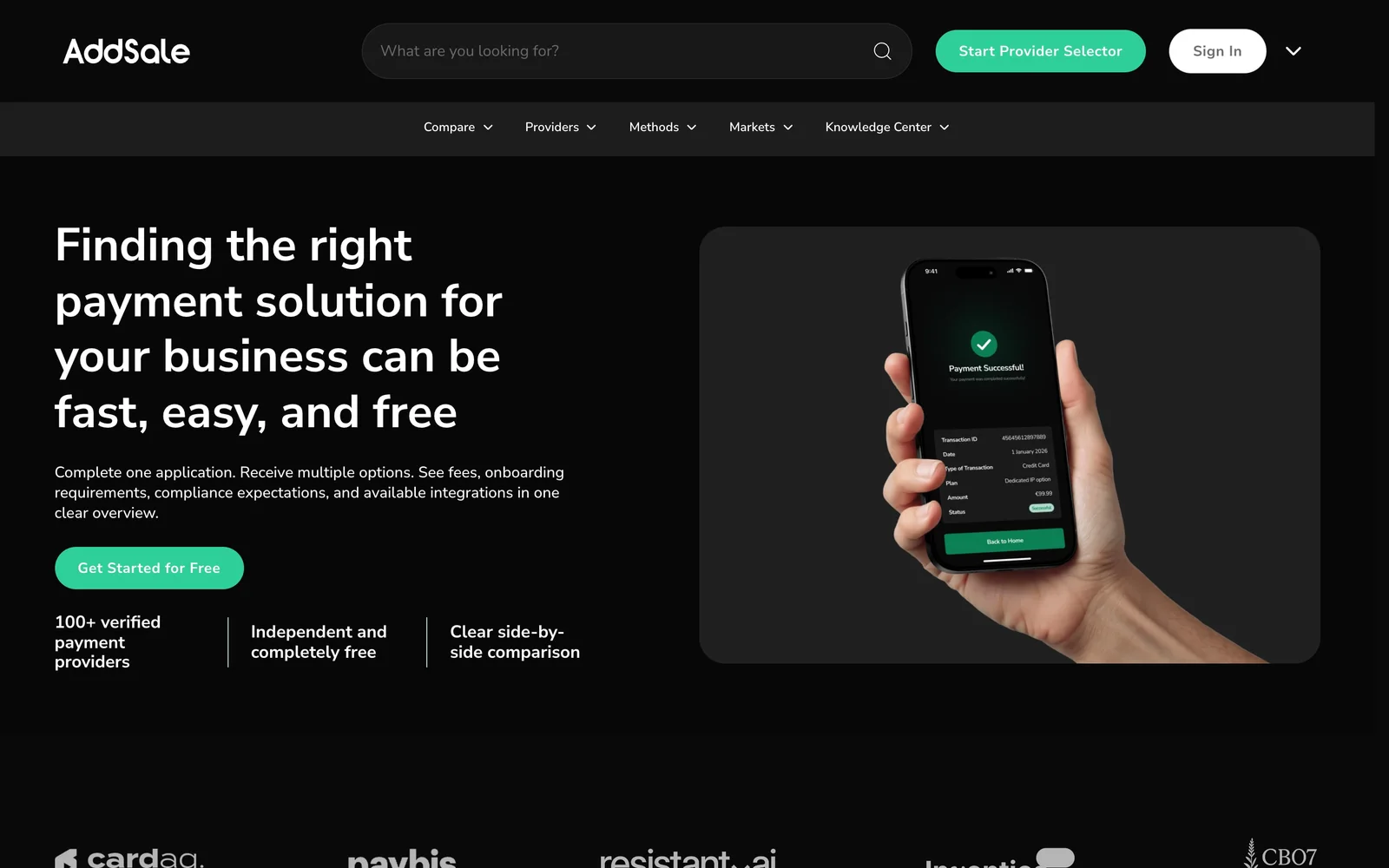
B2B marketplace · Fintech
AddSale B2B marketplace
Businesses apply once, providers receive qualified leads and work them through a seven-stage pipeline — plus 50 SEO pages in English and Latvian.
Read on the blog
Questions
Have you built marketplaces before?
Yes — AllShip AI, a US logistics marketplace with shippers, carriers and drivers, and AddSale, a two-sided B2B marketplace with a seven-stage lead pipeline.
Can you rebuild an existing marketplace?
Yes. I start with an audit of the data and the codebase, keep what users rely on and migrate real accounts without losing them.
Which stack do you use?
Usually Next.js, TypeScript and PostgreSQL (or MongoDB when the data fits it), deployed on Vercel or similar.